tonatagency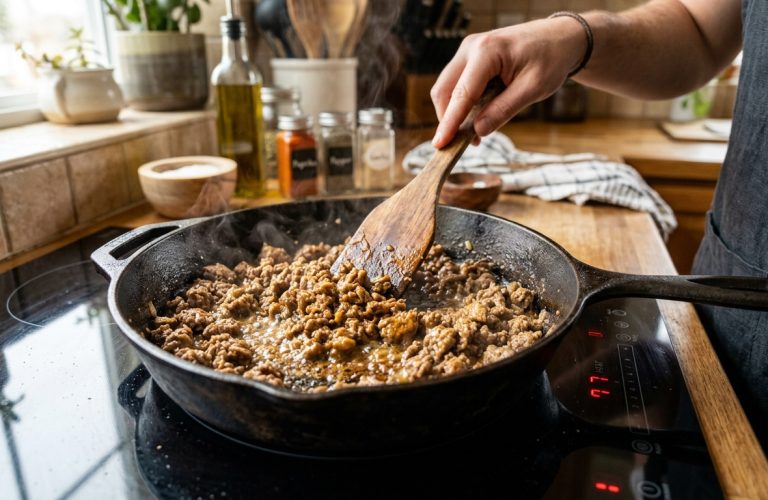
The Great Kitchen Debate: Should You Rinse Ground Beef?
When it comes to cooking up a storm in your home kitchen, ground beef is an absolute culinary superhero. From Taco Tuesdays and classic American cheeseburgers to a rich, simmering pot of spaghetti Bolognese, this versatile ingredient has the magic power to turn a simple weeknight meal into a flavor-packed feast.
But behind closed kitchen doors, there is a lingering, somewhat controversial question that deeply divides home cooks and kitchen warriors alike: Should you rinse your ground beef before or after cooking?
It sounds a little crazy to some, but it is a very real practice for others. Let us dive deep into the pros, the cons, the flavor factors, and the terrifying plumbing realities to finally settle this meaty debate.
Why Do Some People Actually Rinse Ground Beef?
Before we bring down the culinary gavel, it is important to understand why some kitchen enthusiasts swear by rinsing their ground beef. Believe it or not, they have a few compelling reasons that actually make logical sense—at least on paper.
Cutting Down on Fat and Calories
First and foremost, the primary reason people rinse their cooked ground beef is to reduce the overall fat content. If you are on a strict diet, trying to cut down on unnecessary calories, or simply want a much leaner dish for heart-health reasons, giving your cooked ground beef a quick rinse under hot water might seem like the ultimate diet hack. It literally washes the rendered fat away.
Avoiding the Dreaded Greasy Mess
Rinsing can also help eliminate excess grease, actively preventing your finished dish from turning into an oily, unappetizing mess. Imagine sitting down to a perfect plate of spaghetti, only to find that the star of the show is completely overshadowed by a bright orange pool of unwanted fat at the bottom of your bowl. For many, rinsing is the hero that saves a meal from becoming a greasy catastrophe.
The Culinary Sin: Why Washing Your Beef is a Bad Idea
On the flip side, the vast majority of professional chefs and seasoned home cooks will argue that rinsing ground beef is a culinary sin of the highest order. Here is why you might want to put that strainer away.
Flavor Literally Goes Down the Drain
One of the primary concerns with washing your meat is catastrophic flavor loss. When you rinse ground beef, you risk washing away not just the fat, but also the rich, savory, umami-packed juices that make your dish truly delicious. Fat equals flavor in the cooking world. After all, who wants to bite into a bland, dry, watery burger when you were aiming for a total flavor explosion?
The Mess Factor
Another strong point against rinsing is that it can be an incredibly messy affair. Picture yourself standing at the kitchen sink, trying to juggle a colander full of a pound of hot ground beef while steaming water splashes grease all over your clean counters and your shirt. It is definitely not the most glamorous part of cooking, and the frustrating cleanup is rarely worth the potential health benefits.
The Plumbing Nightmare: Fat and Your Pipes Do Not Mix
Let’s talk about the most dangerous part of this practice: your house. While rinsing fat from ground beef down the sink might seem like a fast and convenient solution, it can and will lead to serious plumbing issues.
As the hot liquid fat travels down your pipes, it eventually cools. When it cools, it solidifies. Over time, this creates a massive blockage known in the plumbing world as a “fatberg.” This creates a recipe for disaster, potentially causing slow drainage, terrible smells, fully clogged pipes, and the need for incredibly costly plumbing repairs. Your plumber will thank you for rinsing your beef, but your wallet certainly will not!
Smarter Alternatives to Rinsing Your Meat
If you want to reduce the fat without sacrificing the flavor or ruining your plumbing, there are much better ways to handle your ground beef:
- Buy Leaner Cuts: Start at the grocery store. Instead of buying 80/20 ground beef, opt for 90/10 or even 93/7. You get less fat from the start, entirely eliminating the need to rinse.
- The Tilt and Spoon Method: Once your beef is fully browned, push it to one side of the skillet and tilt the pan slightly. Let the fat pool on the empty side, and simply use a metal spoon to scoop it out.
- Proper Grease Disposal: Never put fat down the drain! Dispose of fat by letting it cool and solidify in a foil-lined bowl or an empty glass jar. Once it hardens, simply scrape it or toss the whole container directly into the trash. Proper disposal ensures a smooth-running kitchen.
The Final Verdict
So, should you rinse your ground beef? The answer largely depends on your culinary goals and personal dietary needs, but as far as best cooking practices go, our short answer is a definitive NO.
If you are a flavor enthusiast who wants every single drop of deliciousness in your meal, skipping the rinse is absolutely the way to go. Whether you are Team Rinse or Team No-Rinse, the most important thing is to enjoy the process of creating mouthwatering meals safely. In the end, the kitchen is yours—just keep that grease out of the sink!